
Microgreens Mastery: 7 Proven Strategies to Double Your Harvest
Hook: Imagine pulling a tray of lush, emerald microgreens that are 30 % heavier, twice as flavorful, and ready to harvest in just one week. That extra weight isn’t a lucky accident—it’s the direct result of a handful of precise adjustments you can start making today. Every additional gram you harvest translates into more nutrients on your plate, higher revenue for small farms, and a tangible boost in confidence for any grower.
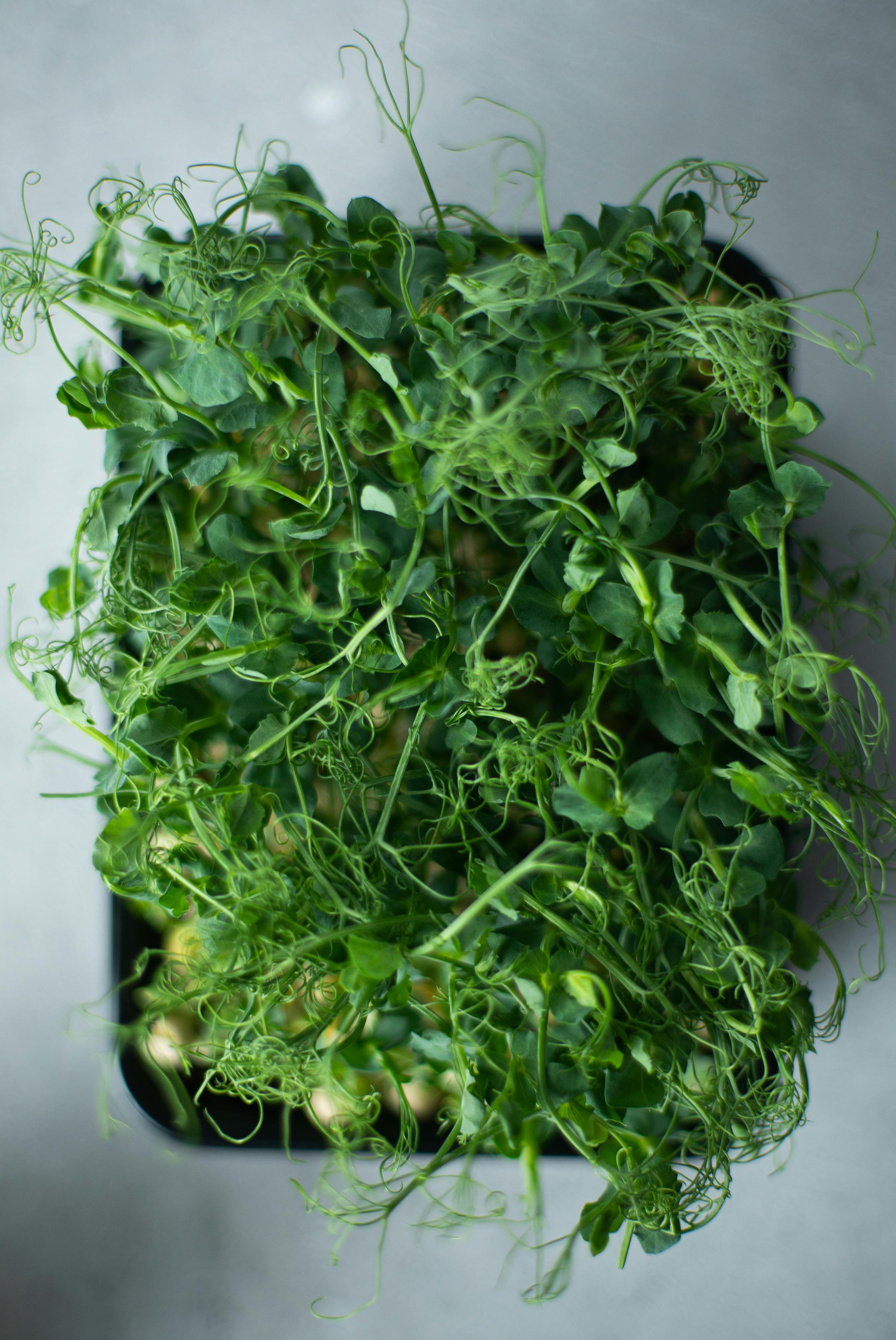
Below are seven science‑backed tactics that will help you consistently achieve that kind of breakthrough, no matter whether you’re just starting out or you’ve been growing microgreens for years.
1. Optimize Your Light Spectrum
Microgreens are phototropic, meaning they grow toward light, but not all wavelengths are equal. Blue light (450‑495 nm) drives leaf expansion and chlorophyll production, while red light (620‑750 nm) influences stem elongation and overall biomass. Research from the University of Arizona showed that a 3:1 ratio of blue to red photons increases leaf area by up to 25 % and boosts carotenoid content. If you’re using grow lights, program them for 12‑16 hours of photoperiod and maintain an intensity of roughly 150‑200 µmol·m⁻²·s⁻¹ measured at the canopy. For hobbyists, a full‑spectrum LED panel positioned 6‑8 inches above the tray delivers this balance without overheating. If you’re on a budget, consider a dual‑chip LED strip that lets you toggle between blue and red spectra; a simple timer can automate the switch.
2. Master Bottom‑Watering
Overhead watering creates a moist surface that invites damping‑off and mold. Bottom‑watering flips the script: place your trays in a shallow container filled with a few centimeters of clean water and let the substrate soak up moisture by capillary action for 10‑15 minutes. This encourages roots to grow downward, creates uniform moisture throughout the medium, and reduces surface humidity that fuels pathogens. After soaking, lift the tray and allow excess water to drain completely before returning it to its growing area. For larger operations, capillary mats or subirrigation benches can automate the process and keep water temperature stable—ideally between 68‑72 °F (20‑22 °C).
3. Choose the Right Substrate
The growing medium you select determines how well water, air, and nutrients move around the seedling roots. A 50/50 blend of coconut coir and perlite offers excellent water retention while maintaining a light, airy structure that resists compaction. If you prefer a certified organic option, replace perlite with vermiculite or a finegrade biochar. Avoid garden soil at all costs; it tends to compact, harbors weed seeds, and can introduce soil‑borne diseases. For fast‑growing pea or sunflower microgreens, a pure soilless seed‑starting mix made from peat‑free compost works beautifully. Before use, sterilize your substrate by baking it at 250 °F (120 °C) for 30 minutes or by soaking it in a 10 % hydrogen peroxide solution for 10 minutes.
4. Perfect Seeding Density
Too many seeds competing for space leads to spindly stems, reduced airflow, and higher susceptibility to disease. As a rule of thumb, aim for 10‑15 seeds per square inch for larger seeds such as peas, radish, or sunflower, and 20‑25 seeds per square inch for tiny seeds like broccoli, alfalfa, or mustard. To achieve consistency, use a small handheld seed spreader or a simple DIY grid made from a piece of cardboard with cut‑out squares. After scattering the seeds, lightly press them into the substrate and cover with a thin layer of fine vermiculite or a seed‑ling‑friendly sand. This ensures good seed‑soil contact without smothering emergence. If you notice seedlings crowding, thin them gently with tweezers to maintain optimal spacing.
5. Keep Airflow Front‑And‑Center
Stagnant air is a breeding ground for fungal spores, especially Botrytis and powdery mildew. A gentle, oscillating fan set on low speed creates continuous air movement that strengthens stems, improves CO₂ exchange, and dries dew off leaves. Position the fan so it moves air across the canopy at about 1‑2 m/s—just enough to rustle the leaves without blowing them around. For larger grow spaces, inline exhaust fans with a temperature‑controlled thermostat can maintain a steady exchange of fresh air. Adding a small humidistat to monitor relative humidity helps you intervene before humidity climbs above 70 %, a common trigger for mold outbreaks.
6. Monitor Temperature and Humidity
Most microgreen species thrive in a temperature window of 65‑75 °F (18‑24 °C). When temperatures dip below 60 °F, seed germination slows and seedlings become weak. Conversely, sustained temperatures above 80 °F can accelerate respiration, depleting stored carbohydrates and leading to bitter flavors. Pair temperature monitoring with a hygrometer to keep relative humidity between 50‑70 %. If you live in a dry climate, a simple tabletop humidifier can keep levels up; in humid regions, a dehumidifier or extra ventilation may be necessary. Small heat mats placed under seed trays can maintain a steady 70 °F during the early germination phase, while a portable cooler can prevent overheating during warm summer days.
7. Harvest at Peak Potency
Timing your harvest is crucial for flavor and nutrient density. The sweet spot for most varieties is when cotyledons reach 2‑3 inches in height, typically 7‑14 days after sowing, depending on temperature and light. Use clean, sharp scissors to cut just above the substrate, avoiding unnecessary damage to the delicate stems. After cutting, give the greens a quick rinse under cold running water to remove any residual growing medium, then pat dry with a paper towel. For maximum nutritional benefit, consume the greens within 24‑48 hours of harvest; they retain peak levels of vitamins A, C, and K, as well as antioxidants such as lutein and beta‑carotene.
Now is the perfect moment to put these strategies into practice. Pick one tip that resonates most with your current setup—maybe you’ll start by adjusting your light spectrum or fine‑tuning your watering routine. Document the results in a simple log: note seed variety, lighting, watering frequency, substrate mix, and final yield weight. Over successive trays, compare the data and iterate; the small adjustments you make today will compound into dramatic yield improvements tomorrow.
Every tray you harvest not only feeds your family with fresh nutrition but also reduces food miles and supports sustainable urban agriculture. Join our growing community of microgreen enthusiasts on social media to share your progress, swap tips, and stay inspired.
The results you see will motivate you to experiment further and refine your techniques.
Ready to double your harvest? Start your next microgreens tray today, apply these proven tactics, and watch your green carpet transform into a powerhouse of flavor and nutrition.
— The Leaftix Microgreens Team




0 Comments