
Maximize Your Microgreens Yield: Advanced Techniques for Home Growers
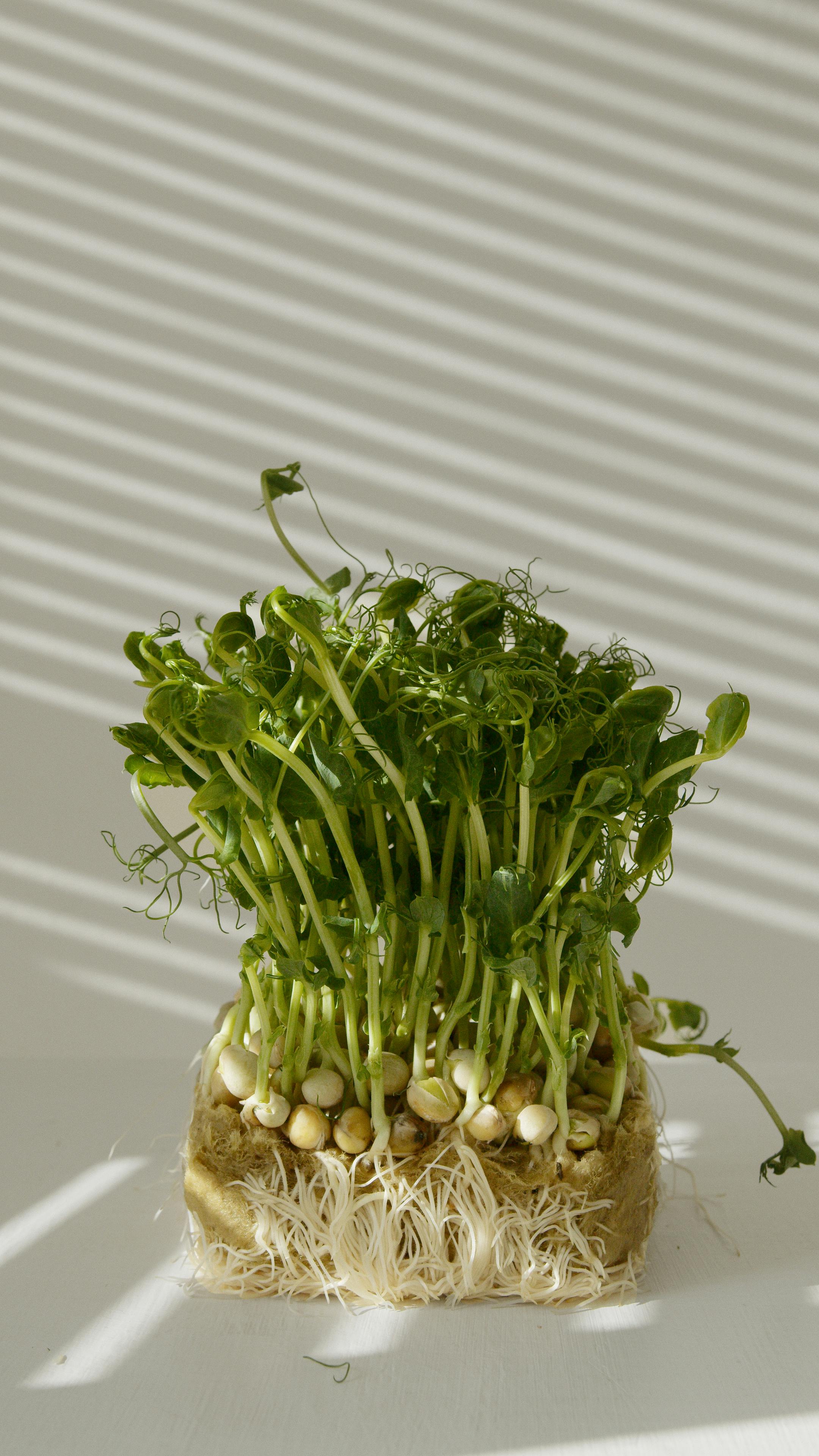
Imagine harvesting nutrient-dense, restaurant-quality microgreens from your kitchen every week—with faster growth, higher yields, and fewer losses. Whether you’re a beginner or an experienced grower looking to optimize, the right techniques can transform your results dramatically.
Why These Strategies Matter
Microgreens pack up to 40 times the nutrients of mature vegetables, but common mistakes—uneven seeding, poor watering, incorrect light, or substrate issues—can cut yields by half or invite mold. The methods below target those pain points with science-backed, field-tested solutions that boost germination, speed growth, and protect your crop.
1. Precision Seeding for Uniform Canopy
The Problem: Clumped seeds waste space and invite disease; sparse areas reduce yield.
The Fix: Use a seed-spacing tray or a fine-mesh sieve to distribute seeds evenly. Aim for a single layer with just slight overlap. For small seeds (e.g., broccoli, arugula), 10–12 grams per 10×20 tray works well. Larger seeds (e.g., peas, sunflower) need 15–20 grams.
Actionable Tip: Weigh your seed portions with a kitchen scale for consistency. Gently press seeds into the medium with a flat board to ensure contact without burial.
2. Optimize Substrate for Root Health
The Problem: Soil can harbor pathogens and retain too much moisture.
The Fix: Use a soilless mix: 70% coconut coir, 30% perlite, plus a thin top layer of sifted vermiculite to retain moisture during germination.
Actionable Tip: Pre-wet the coir, squeeze out excess water (it should feel like a damp sponge), then fill trays to a depth of 1.5–2 inches. Sterilize reusable trays with a 10% bleach solution before each use.
3. Master the Watering Window
The Problem: Overwatering causes damping-off; underwatering stalls growth.
The Fix: Bottom-water during germination: place trays in ½ inch of water for 10–15 minutes, then drain. Once sprouted, switch to a fine mist 2–3 times daily, focusing on the base of stems.
Actionable Tip: Use a spray bottle or a low-pressure mister. Check moisture by touching the medium surface—it should feel damp, not soggy.
4. Light Spectrum & Timing for Faster Maturity
The Problem: Insufficient or wrong-spectrum light leads to leggy, weak greens.
The Fix: Provide 12–16 hours of light daily. Use full-spectrum LEDs with a color temperature of 5000–6500K. Position lights 6–12 inches above the canopy.
Actionable Tip: Set a timer to ensure consistent photoperiods. If natural light is used, supplement with grow lights on cloudy days.
5. Temperature Control for Consistent Growth
The Problem: Temperatures below 60°F (15°C) slow growth; above 75°F (24°C) encourages mold.
The Fix: Keep the grow space between 65–70°F (18–21°C). Use a small space heater or fan as needed.
Actionable Tip: Place a digital thermometer in the tray area and adjust your environment proactively.
6. Prevent Mold & Damping-Off Naturally
The Problem: Fungal diseases can wipe out a tray overnight.
The Fix: Improve airflow with a low-speed fan circulating air across trays. Apply a preventative mist of 1 tablespoon hydrogen peroxide (3%) per quart of water after germination.
Actionable Tip: Remove any slimy or discolored seedlings immediately to protect the rest.
7. Harvest at Peak Nutrition
The Problem: Cutting too early or late affects flavor and nutrient density.
The Fix: Harvest 7–14 days after germination, when the first true leaves (second set) appear. Use clean, sharp scissors and cut just above the soil line.
Actionable Tip: Rinse gently in cold water and store in a paper towel-lined container in the fridge for up to 5 days.
8. Experiment & Record for Continuous Improvement
Treat each tray as a mini-experiment. Track seed density, watering frequency, light distance, and harvest weight in a simple log. Small tweaks—like reducing seed density by 10% or raising lights by 2 inches—often yield measurable gains.
Ready to Grow Smarter?
Implement one or two of these techniques in your next batch. Track the results, then layer in more optimizations. With precision seeding, the right substrate, smart watering, proper light, and mold prevention, you’ll see faster growth, bigger harvests, and more consistent quality.
Start today: weigh your seeds, set up bottom watering, and position your lights. Your kitchen can become a high-yield microgreen farm.


0 Comments