
The Ultimate Microgreens Yield Playbook: 7 Science-Backed Hacks to Double Your Harvest
Imagine pulling a tray of lush, nutrient-dense microgreens from your kitchen counter that yields twice the biomass of your previous harvests—ready in just 7–10 days. What if you could consistently achieve that result, every cycle, with simple tweaks that cost little or nothing? The secret isn’t magic; it’s method. After reviewing the latest research and top-performing grower reports, I’ve distilled the seven highest-impact practices that separate hobby trays from cash-crop yields.
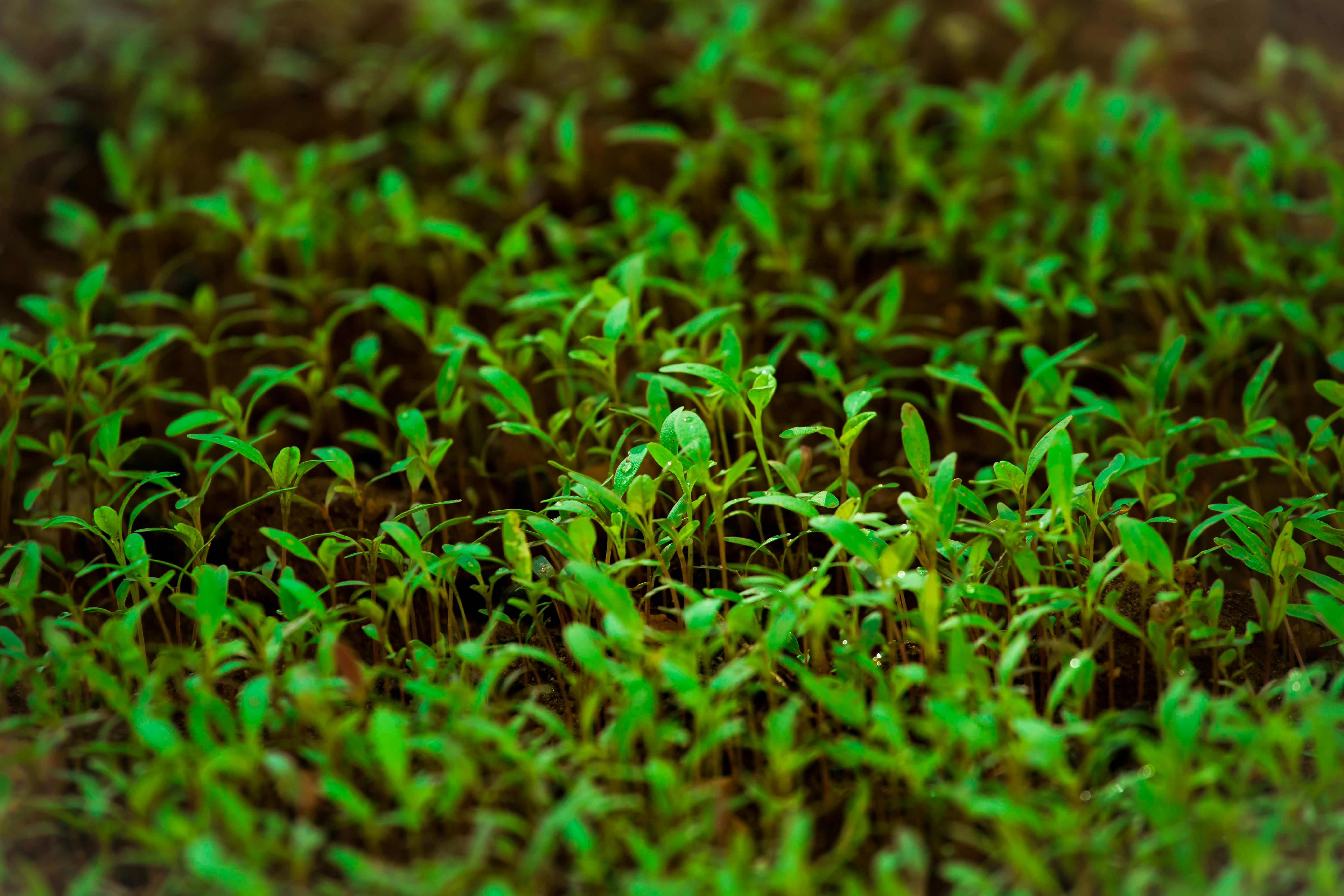
Why Yield Matters More Than Ever
Higher yields mean more food, better economics, and a smaller environmental footprint per gram of nutrition. In the past year, commercial growers who adopted precision techniques reported 40–100% increases in grams per square foot while cutting water use by up to 30%. The same principles scale down to your countertop.
1. Master the Seed-Soak Spectrum
The hack: Replace plain water soaks with a 15-minute priming bath of 50 ppm potassium nitrate (KNO₃) or a 0.1 % hydrogen peroxide solution.
Why it works: Priming triggers提前 germination enzymes, slashing time to first leaf by 12–24 hours and boosting uniformity. Studies show treated seeds achieve 90%+ germination versus 60–70% for untreated seed.
How to do it: Dissolve ½ teaspoon food-grade KNO₃ in 1 liter of lukewarm water, or mix 1 tablespoon 3% H₂O₂ per liter. Soak seeds, drain, then sow immediately.
2. Dial In the Light Recipe
The hack: Run a 16:8 hour photoperiod with a 5000 K white LED at 120–150 µmol/m²/s for the first 48 hours, then add a 5 % far-red (730 nm) boost for days 3–7.
Why it works: Early blue-rich light drives compact, sturdy stems. Far-red in the later stage stimulates leaf expansion and biomass without legginess.
How to do it: Most affordable LED grow strips let you mix white and far-red diodes. Set timers; no need for expensive controllers.
3. Precision Watering with the “Fist Test”
The hack: Water only when the growing medium feels like a wrung-out sponge—firm but yielding a few drops.
Why it works: Over‑watering drowns roots and invites damping‑off; under‑watering stresses plants and caps growth. The fist test gives instant, repeatable feedback.
How to do it: Scoop a handful of medium from mid‑tray, squeeze tightly. If only a couple of drops emerge, you’re in the sweet spot.
4. Optimize Seeding Density by Crop
The hack: Use weight‑based density: 10 g per 10 × 10 cm tray for brassicas (broccoli, kale), 15 g for fast‑growing mixes, 6 g for delicate herbs (basil, cilantro).
Why it works: Too sparse wastes space; too dense creates competition, disease, and thin stems. Weight‑based targets account for seed size and ensure even canopy closure.
How to do it: Weigh seeds, spread evenly, then gently press into the medium with a flat板.
5. Leverage a Two‑Stage Medium
The hack: Layer 1 cm of pre‑moistened coco coir topped with 2 cm of a 1:1 coco:perlite blend.
Why it works: The bottom layer holds a reservoir for consistent moisture; the upper layer gives roots oxygen and prevents water‑logging. Growers report 20–30% higher fresh weight with this simple sandwich.
How to do it: Pre‑wet coco coir, drain excess. Fill tray, then add the perlite mix on top. Level and sow.
6. Circulate Air Like a Pro
The hack: Run a low‑speed 4‑inch USB fan across the tray surface for 5 minutes every 2 hours (or continuously at the lowest setting).
Why it works: Gentle airflow strengthens stems, reduces surface humidity, and slashes mold incidence by up to 70%. It mimics the natural breeze that triggers structural lignin deposition.
How to do it: Position the fan at tray height, angled to skim the surface without blowing seeds around.
7. Harvest at the Peak Window
The hack: Cut at the exact moment the first true leaf fully unfurls but before the second true leaf emerges (usually day 7–9 for most varieties).
Why it works: This window maximizes nutrient density and biomass while keeping texture tender. Delaying even 24 hours can reduce antioxidants by 10–15% and toughen stems.
How to do it: Inspect trays twice daily from day 6 onward. Use sharp scissors and cut just above the soil line.
Putting It All Together: A Sample 7‑Day Cycle
Day 0: Weigh and prime seeds, fill tray with two‑stage medium, sow at crop‑specific density.
Day 1: Begin 16:8 white light (120 µmol/m²/s). Water to fist‑test. Start fan on low.
Day 2: Same as Day 1.
Day 3: Add 5 % far‑red to the light mix. Check moisture, water if needed.
Day 4–6: Maintain light and airflow. Spot‑check for uniformity.
Day 7–9: Monitor for first true leaf. Harvest at peak.
Track Your Gains
Weigh each harvest and record grams per square foot. Over 3–4 cycles you should see a steady climb as you fine‑tune timing, density, and moisture. Many growers hit a 2× yield jump within two months of adopting these hacks.
Ready to Grow Bigger?
These seven tactics are low‑cost, high‑impact levers that translate straight into more food on your plate and more profit in your pocket. Start with one or two that fit your setup, log the results, and layer in the rest. In no time you’ll be harvesting restaurant‑grade microgreens that out‑perform the competition—right from your kitchen.
Your next move: Pick the easiest hack for your current system (probably the fist test or seeding density), implement it today, and weigh your next harvest. Compare the numbers—you’ll see the difference before the week is out.


0 Comments