
Microgreens Disease Prevention: Save Your Crop from Common Threats
Imagine opening your growing tray to discover a healthy, vibrant carpet of microgreens – only to find it covered in fuzzy mold or damping-off fungus the next morning. This devastating scenario costs microgreen growers thousands of dollars annually in lost crops, but it doesn't have to be your reality.
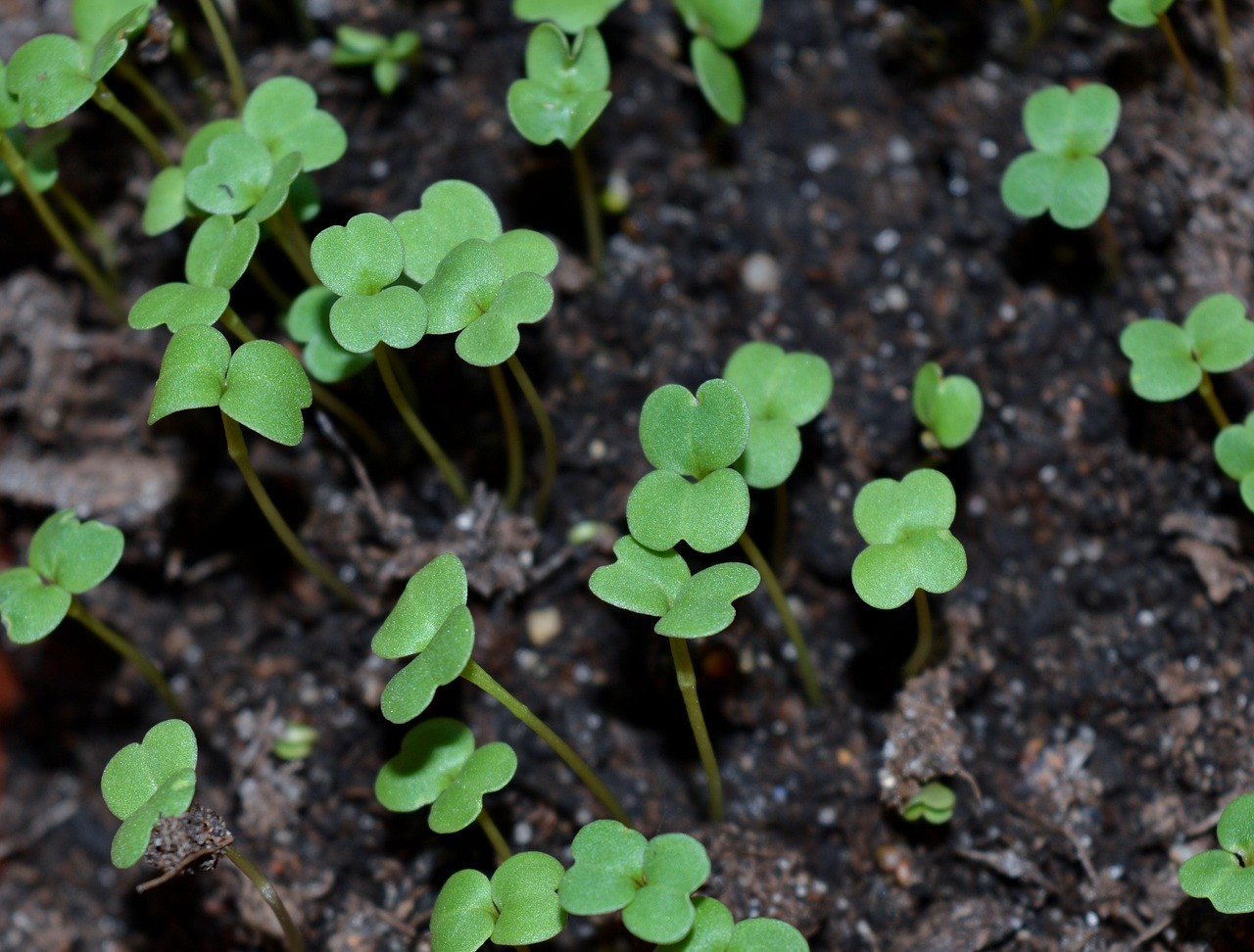
Every microgreen grower – from backyard enthusiasts to commercial operations – faces the same invisible threats: damping-off fungi, gray mold (Botrytis), and bacterial contamination. These pathogens can destroy entire crops in 24-48 hours, turning your investment of time, seeds, and materials into composting material. But here's the empowering truth: 90% of these diseases are completely preventable with the right knowledge and techniques.
Why Disease Prevention Matters More Than Treatment
When disease strikes microgreens, treatment is often impossible. Unlike mature vegetables, these delicate seedlings can't withstand fungicide applications, and by the time you see symptoms, the pathogen has usually spread throughout the entire tray. This means prevention isn't just better than cure – it's your only realistic defense.
The direct impact: Implementing proper disease prevention can save you 100% of your crop loss, improve your success rate from 70% to 98%, and eliminate the heartache of starting over mid-cycle. For commercial growers, this translates to consistent revenue and customer satisfaction.
The Three Pillars of Microgreens Disease Prevention
1. Master Your Growing Environment
Air Circulation is Non-Negotiable: Stagnant air creates the perfect breeding ground for fungal diseases. Install a small fan to maintain gentle air movement – but avoid direct airflow on seedlings, which can cause stress and dehydration. Target 1-2 mph air speed at the plant level.
Temperature Control: Maintain temperatures between 65-75°F (18-24°C) for most varieties. Warmth accelerates germination but also pathogen growth, so balance is crucial. Use a digital thermometer with hygrometer to monitor both temperature and humidity.
Humidity Management: Keep relative humidity between 40-60% during the growing phase. High humidity (above 70%) invites fungal growth, while overly dry conditions stress plants. A small dehumidifier or air conditioner can stabilize humidity in enclosed spaces.
2. Optimize Watering Techniques
Bottom Watering Strategy: Never water from above after germination. Bottom watering prevents water from sitting on leaves and stems, where it creates entry points for pathogens. Place water in a secondary tray and allow 10-15 minutes of absorption.
The Spray Bottle Revolution: During germination (days 1-3), use a fine mist spray bottle only when the growing medium feels dry to the touch. Overwatering during this phase is the #1 cause of damping-off. Test moisture by inserting your finger ½ inch into the medium – it should feel like a wrung-out sponge.
Water Quality Matters: Use filtered or distilled water if your tap water has high mineral content or chlorine. Excessive minerals can stress plants, making them more susceptible to disease.
3. Sanitation and Medium Sterilization
Growing Medium Preparation: Sterilize your growing medium before each use. For soil-based mixes, bake at 180°F for 30 minutes. For coconut coir or other soilless media, steam sterilization or soaking in boiling water works effectively.
Equipment Sanitization: Clean all trays, tools, and containers with a 10% bleach solution (1 part bleach to 9 parts water) between cycles. Allow 10-minute contact time, then rinse thoroughly with clean water.
Seed Treatment: For extra protection, soak seeds in a 3% hydrogen peroxide solution for 5 minutes before planting, then rinse thoroughly. This surface sterilization eliminates many seed-borne pathogens.
Advanced Disease Prevention Tactics
Seeding Density Optimization
Overcrowding creates microclimates where diseases thrive. Use the "kiss test" – seeds should touch but not overlap significantly. Too sparse wastes space, too dense invites disaster. For most varieties, aim for 10-15 seeds per square inch for larger seeds (peas, sunflowers) and 20-25 for smaller seeds (radish, broccoli).
The Importance of Clean Seed
Source seeds from reputable suppliers who test for pathogen loads. Store seeds in cool, dry conditions in airtight containers. Old or improperly stored seeds have higher contamination rates and lower germination, compounding disease risks.
Early Detection Systems
Inspect your trays daily during the first week. Look for: - White, cotton-like growth (fungus) - Water-soaked, mushy stems at soil level (damping-off) - Gray, fuzzy patches on leaves (gray mold) - Unusual odors (bacterial contamination)
Catching problems early allows you to salvage unaffected portions and prevent spread to adjacent trays.
Emergency Response Protocol
If you spot disease symptoms, act immediately: 1. Isolate affected trays to prevent spread 2. Remove visibly diseased plants with clean tools 3. Improve air circulation immediately 4. Document conditions that led to the problem 5. Start over if more than 20% of the tray is affected
Encouragement for Your Growing Journey
Mastering disease prevention transforms you from a struggling grower to a confident crop producer. Each successful, disease-free cycle builds your knowledge and confidence. You'll develop an intuitive understanding of your growing environment, learning to spot subtle changes that signal potential problems before they become disasters.
Remember: every expert grower has faced crop failure. The difference between professionals and amateurs isn't luck – it's systematic prevention and the wisdom gained from each experience.
Your Next Steps: Choose one prevention technique to implement this week. Whether it's adding air circulation, switching to bottom watering, or sterilizing your medium, each improvement moves you closer to consistent, healthy harvests.
Start small, stay consistent, and watch as your success rate climbs while your stress levels plummet. Your microgreens – and your customers – will thank you.




0 Comments