
Microgreens Mastery: 5 Cutting-Edge Hacks for 2025 Growers
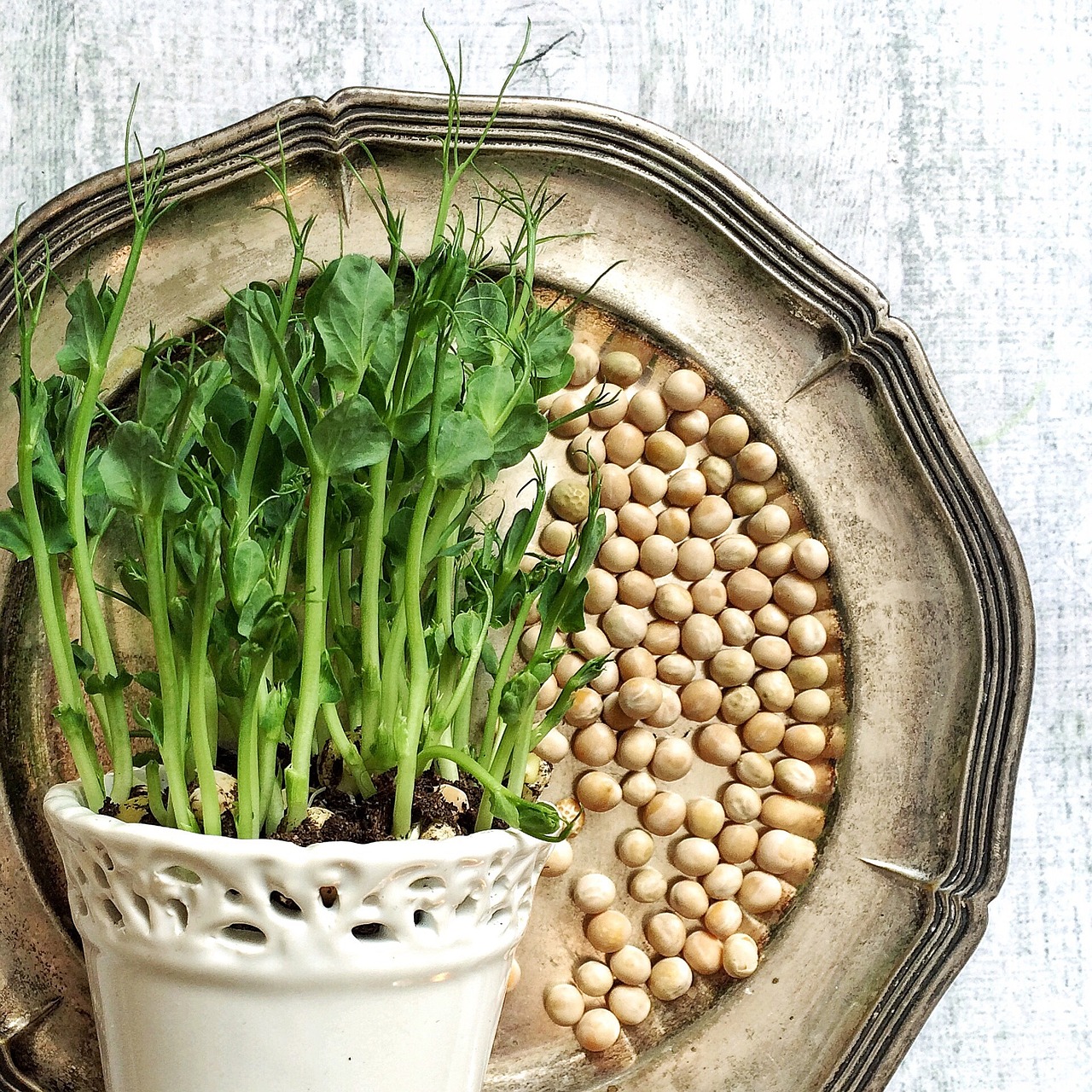
Imagine opening your tray on a Tuesday morning to find a carpet of vibrant, nutrient-dense microgreens that weighs twice as much as your last harvest—without any mold, yellowing leaves, or guesswork. That's the power of a few science-backed tweaks that most growers still overlook.
Every gram you add to your harvest translates into more nutrients on the plate and higher satisfaction in your growing journey. Whether you're a beginner or an experienced grower optimizing yields, these five cutting-edge hacks will directly improve your success rate and harvest quality.
1. The Light Spectrum Sweet Spot
Most growers focus on light intensity and duration, but the spectrum is where the real magic happens. Blue light (400-500nm) promotes compact, dense growth and enhances chlorophyll production, while red light (600-700nm) encourages stem elongation and leaf expansion. The sweet spot? A 3:1 ratio of blue to red light during the first 3 days, shifting to 1:2 for days 4-7.
This isn't just theoretical—commercial growers who implement spectrum-specific lighting see up to 40% increases in biomass and 30% more antioxidants. For home growers, affordable full-spectrum LED strips with adjustable ratios can revolutionize your results without breaking the bank.
2. Precision Seeding Density
Too many seeds create competition for light and nutrients, leading to weak, spindly greens. Too few, and you waste space and substrate. The optimal density varies by variety: brassicas (broccoli, radish) thrive at 1.5-2 grams per square inch, while larger seeds like peas and sunflowers need 0.8-1.2 grams per square inch.
Here's a pro tip: pre-soak larger seeds for 8-12 hours before sowing. This reduces germination time by 24-48 hours and leads to more uniform emergence. For tiny seeds like basil or amaranth, mix with fine sand (1:4 ratio) for even distribution without clumping.
3. Substrate Science: Beyond Soil
The growing medium is the silent engine driving your microgreens' success. While many opt for standard potting soil, the most advanced growers use custom blends: 70% coconut coir, 20% perlite, and 10% vermiculite. This mix provides optimal water retention, aeration, and drainage—preventing both drought stress and damping-off disease.
For those battling mold issues, add 5% activated charcoal to your mix. Its porous structure absorbs excess moisture and inhibits fungal growth without chemicals. When testing new substrates, always run a small trial tray before committing to large-scale production.
4. The Watering Rhythm Method
Overwatering is the #1 killer of microgreens, yet most growers still guess at timing. The solution? A consistent rhythm paired with the tray-tilt test. Water only when the tray feels significantly lighter—typically every 24-36 hours for most varieties in typical home conditions.
Use a fine-mist sprayer for the first 3 days to avoid disturbing seeds, then bottom-watering exclusively. This encourages roots to grow downward, creating stronger plants and reducing surface mold risk. For precision, maintain substrate moisture at 70-80%—it should feel like a damp sponge, not a wet one.
5. Harvest Timing Precision
The difference between good and exceptional microgreens often comes down to timing. Traditional 7-14 day guidelines are too general. Instead, harvest when the first true leaves (the second set) are fully expanded but before the third set emerges. This sweet spot maximizes both flavor and nutrient density.
For most varieties, this falls between days 8-12. Use the "stem snap test": gently bend a stem. If it snaps cleanly rather than bending, you're in the ideal harvest window. Cutting too early sacrifices yield; too late results in bitter flavors and tough textures.
Your Next Step: Start Testing
Don't try to implement all five hacks at once. Choose one that addresses your biggest current challenge—whether it's weak growth, mold issues, or inconsistent yields. Run a side-by-side comparison with your current method and track the results.
Microgreens growing is both science and art. The most successful growers aren't those with the most expensive equipment; they're the ones who observe, experiment, and refine their techniques. Your next breakthrough harvest is waiting behind one small, calculated change.
Ready to dive deeper? Share your results in the comments below or connect with our growing community. Every tray is a learning opportunity, and every harvest brings you closer to mastery.




0 Comments