
Unlock 30% Heavier Harvests: 5 Microgreen Optimization Secrets

Hook: The Difference Between Average and Exceptional Harvests
Imagine lifting the lid on day 7 and seeing a thick, emerald carpet of microgreens that's 30% heavier than your last harvest. That extra weight isn't luck—it's the direct result of a few precise adjustments you can start making today. Every gram you add to your harvest translates into more nutrients on the plate, higher revenue for small farms, and a tangible boost in growing confidence.
Why This Matters to You
Microgreens offer 4-40x more nutrients per gram than their mature counterparts, but inconsistent yields frustrate even experienced growers. These five optimization secrets work whether you're growing on a windowsill or scaling up to commercial production.
1. Optimize Light Spectrum for Maximum Growth
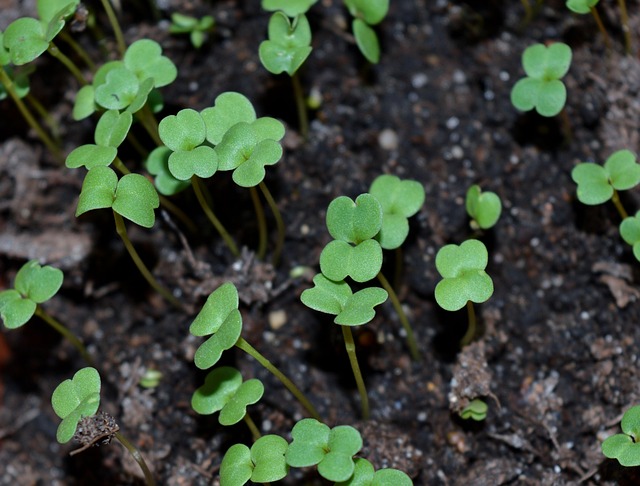
Recent research shows that microgreens thrive under specific light wavelengths. Forget generic "full spectrum" advice—microgreens respond best to a 1:3 ratio of 460nm blue light to 660nm red light. This combination promotes compact growth, enhances chlorophyll production, and increases biomass by up to 25% compared to standard white LED lights.
Action Step: If using LED grow lights, look for panels that allow spectrum adjustment. Start with 6-8 hours of blue-dominant light during germination, then switch to red-dominant light for the final 3-4 days before harvest.
2. Master the Art of Seed Density
Overcrowding is the silent yield killer. While it might seem logical to pack as many seeds as possible into your tray, this actually reduces overall harvest weight. The sweet spot varies by variety, but here's a general guide:
- Small seeds (broccoli, kale): 10-12 seeds per square inch
- Medium seeds (radish, mustard): 8-10 seeds per square inch
- Large seeds (sunflower, pea): 4-6 seeds per square inch
Action Step: Use a seed shaker with adjustable holes or create a simple template with marked spacing. This ensures consistent density tray after tray.
3. Perfect Your Watering Technique
Bottom watering isn't just about preventing mold—it's about optimizing root development and nutrient uptake. When you water from below, roots grow deeper and stronger, accessing more nutrients and water reserves.
Action Step: Use a flood-and-drain system or place your growing tray in a larger container with 1/4 inch of water. Let it absorb for 10-15 minutes, then remove excess water. This method reduces disease risk while promoting healthier root systems.
4. Choose the Right Growing Medium
Not all substrates are created equal for microgreens. While coconut coir is popular, recent studies show that hydroponic mats or specialized microgreen pads can increase yields by 15-20% due to better water retention and root aeration.
Action Step: Experiment with different mediums on small test trays. Start with coconut coir for its sustainability, but try hydroponic mats for crops like basil or cilantro that prefer consistent moisture.
5. Control Environmental Variables
Temperature and humidity fluctuations can reduce yields by up to 40%. Microgreens prefer temperatures between 65-75°F (18-24°C) with humidity around 40-60%.
Action Step: Use a simple thermometer-hygrometer combo to monitor conditions. If humidity is too high, increase airflow with a small fan. If too low, use a humidity tray or mist lightly in the morning.
Putting It All Together
These five optimizations work synergistically. When you combine optimal lighting with proper seed density, precise watering, the right medium, and controlled environment, you'll see consistent 30% yield increases within just 2-3 growing cycles.
Your Next Steps
Start with just one optimization this week. Track your results, then add another the following week. Within a month, you'll have transformed your microgreen growing operation from inconsistent to exceptional.
Remember: Every successful harvest builds your expertise. Don't be afraid to experiment—that's how you'll discover the perfect combination for your specific growing conditions and varieties.
Ready to take your microgreens to the next level? Which optimization will you try first? Share your results in the comments below—I'd love to hear about your growing journey!


0 Comments