Guides / Growing techniques
Microgreens Trends and Technologies (2024–2026): Key Innovations Shaping the Future of Urban Farming
Explore the top microgreens trends from 2024 to 2026, including precision LED lighting, IoT monitoring, automation, microbiome engineering, food safety, and shelf-life innovation.
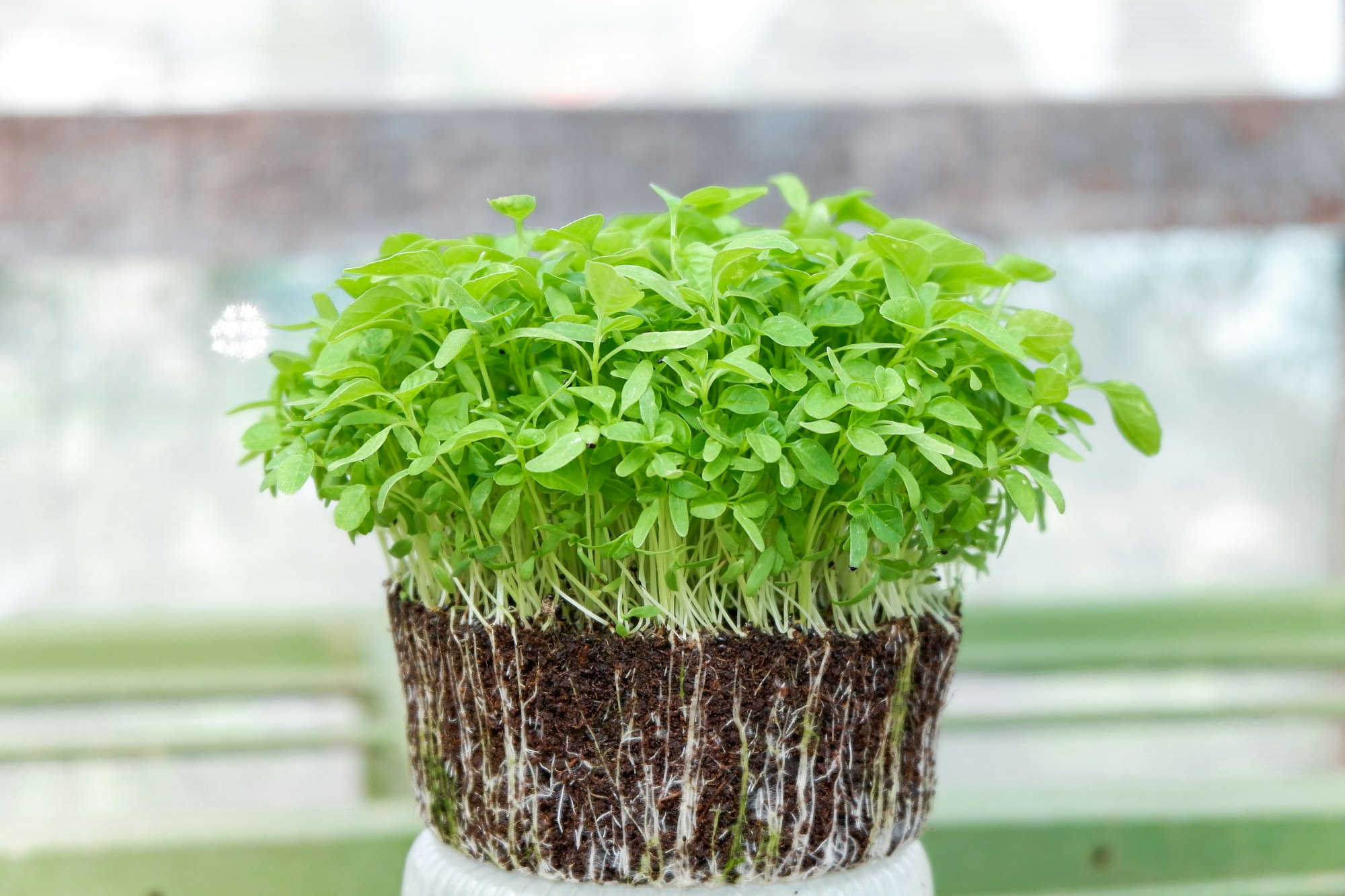
Microgreens are gaining momentum as one of the most promising segments in controlled environment agriculture , urban farming , and functional food production. Between 2024 and 2026, the sector has been shaped by major advances in precision LED lighting , open-source automation , IoT monitoring , microbiome-based cultivation , and food safety testing.
As demand grows for nutrient-dense foods , sustainable production systems, and scalable indoor farming models, microgreens are emerging as a high-value crop with strong commercial and nutritional appeal.
Executive Summary
From 2024 to 2026, the microgreens industry has evolved beyond small-scale specialty production and moved closer to technology-driven commercial scalability. The most important innovations include the use of precision LED light recipes to enhance nutritional quality, modular automation systems to lower labor costs, and IoT-enabled monitoring tools to improve crop consistency in both urban farms and home-growing setups.
At the same time, interest in plant growth-promoting microorganisms (PGPMs) is expanding as growers seek more resilient and sustainable hydroponic systems. Food safety is also becoming a priority, particularly as lesser-known microgreens enter mainstream retail channels and require more advanced toxicological screening. Despite their strong nutritional value and market potential, post-harvest shelf life remains one of the biggest barriers to broader commercialization.
1. Precision LED Lighting Is Transforming Microgreens Production
One of the most important technology trends in microgreens is the shift from conventional grow lights to precision LED lighting systems with blue-enriched spectra. New research suggests that carefully calibrated blue, green, red, and far-red light ratios (B:G:R:FR) can significantly increase the concentration of bioactive compounds in microgreens.
This includes higher levels of anthocyanins , phenolic compounds , and other secondary metabolites —in some cases increasing these compounds by more than 50% without reducing crop yield. For commercial growers, this creates new opportunities to improve nutritional value and market differentiation through light-based biofortification.
2. Open-Source Automation Is Reducing Costs in Vertical Farming
The high upfront cost of vertical farming remains a challenge, but new modular and open-source automation systems are helping lower barriers to entry. Platforms such as MACARONS show how low-cost, scalable, and even 3D-printable hardware can support tray transport, crop monitoring, and workflow automation.
This trend is especially relevant for urban agriculture startups , small indoor farms , and educational or research facilities looking for affordable automation solutions. By reducing manual handling and labor dependency, these systems can make microgreens production more efficient and scalable.
3. IoT Monitoring Is Enabling Smarter Microgreens Cultivation
Another major trend is the adoption of IoT-based monitoring systems for microgreens production. Arduino-powered sensors, paired with tools like ThingSpeak and mobile applications, now provide real-time visibility into key growing parameters such as water pH , temperature , and humidity.
What was once experimental is now becoming more accessible and user-friendly, allowing even small-scale growers to apply precision agriculture techniques. This improves consistency, reduces losses, and supports better decision-making across both commercial and home-based growing environments.
4. Microbiome Engineering Is Emerging as a Sustainable Growth Strategy
Microgreens production is also being influenced by rising interest in microbiome engineering , especially in hydroponic systems. The use of Plant Growth-Promoting Microorganisms (PGPMs) is gaining attention as a way to improve nutrient uptake, increase plant resilience, and reduce dependence on synthetic fertilizers.
This approach aligns well with the broader push toward sustainable agriculture , circular economy practices , and biologically optimized crop production. As growers seek cleaner and more efficient production models, PGPMs may become a core strategy in next-generation microgreens cultivation.
5. Food Safety Testing Is Becoming More Important in the Microgreens Market
As the variety of commercially available microgreens expands, food safety and toxicological screening are becoming increasingly important. Crops such as flax and buckwheat microgreens may contain compounds like cyanogenic glycosides , which require more advanced analytical methods such as LC-MS (liquid chromatography–mass spectrometry).
This reflects a broader move toward stricter safety standards as microgreens transition from niche markets into mainstream grocery retail and foodservice supply chains. For producers, retailers, and regulators, stronger testing protocols will be essential to support long-term market growth and consumer trust.
6. Nutritional Value and Shelf Life Remain Central to Commercial Growth
Microgreens continue to stand out for their reputation as nutrient-dense functional foods , often containing higher concentrations of vitamins, antioxidants, and phytonutrients than mature vegetables. This makes them highly attractive to health-conscious consumers, chefs, and premium food retailers.
However, one of the main challenges limiting wider adoption is shelf life. Rapid wilting, moisture loss, and dehydration still affect distribution and retail performance, particularly outside local markets. For the microgreens industry to scale more effectively, improvements in post-harvest handling , packaging , and cold-chain logistics will be essential.
Conclusion: The Future of Microgreens Is Data-Driven, Sustainable, and High-Value
Between 2024 and 2026, microgreens are becoming much more than a niche crop. They are now at the intersection of agricultural technology , functional nutrition , and sustainable urban food systems. Precision lighting, smart monitoring, modular automation, microbiome innovation, and improved food safety protocols are reshaping how microgreens are grown, marketed, and scaled.
For growers, investors, agritech startups, and food industry professionals, microgreens represent a compelling opportunity—especially as demand increases for high-value crops , indoor farming solutions , and nutrient-rich fresh produce.
Ronaldo AndradeWrites practical notes about growing better microgreens.
[01] keep reading