Guides / Growing techniques
Microgreens Mastery in 2026: 5 Cutting-Edge Techniques to Boost Yield, Flavor, and Profit
The Microgreens Revolution: Why 2026 Is Your Year Imagine harvesting a tray of microgreens so dense, so vibrant, and so packed with flavor that chefs
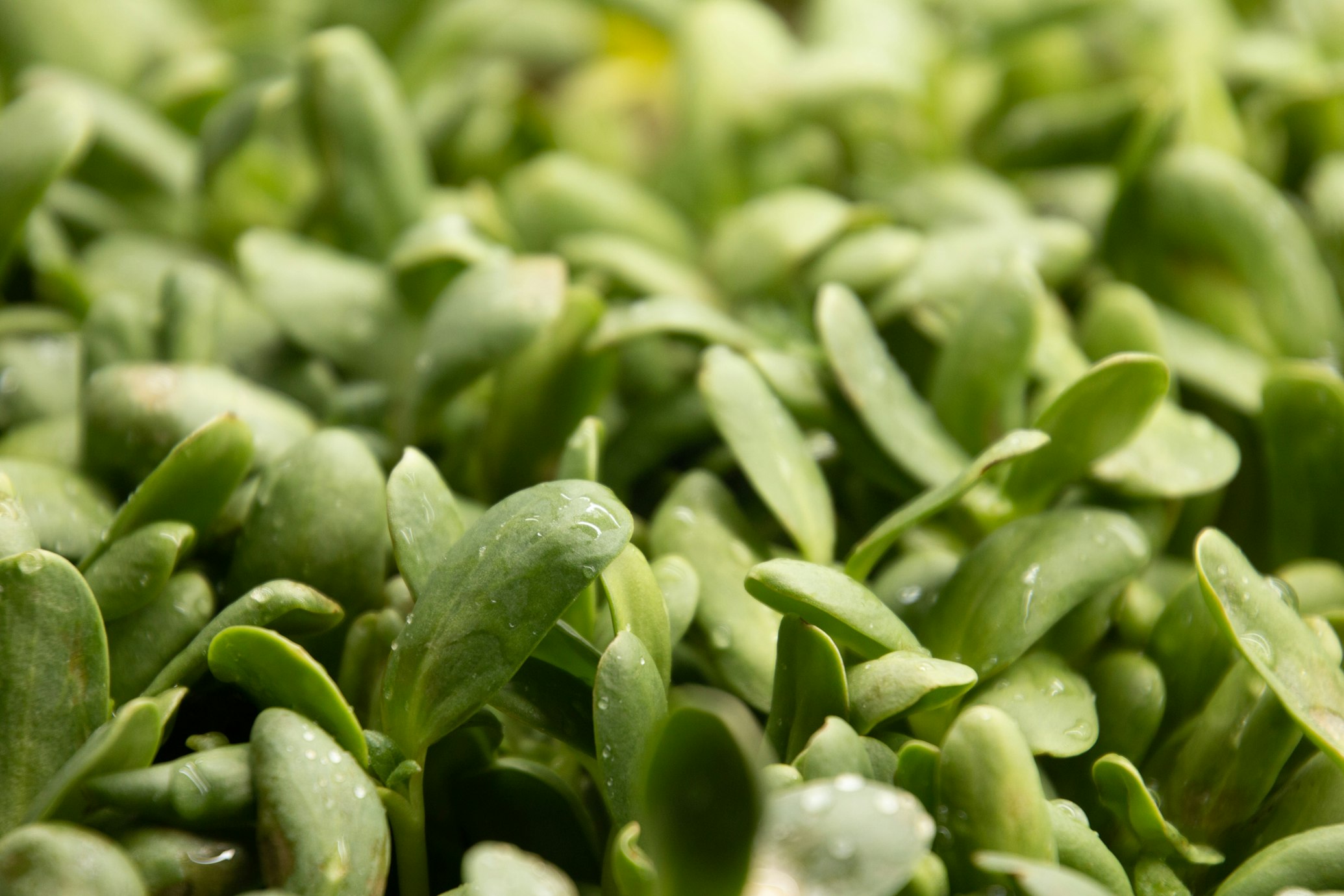
The Microgreens Revolution: Why 2026 Is Your Year
Imagine harvesting a tray of microgreens so dense, so vibrant, and so packed with flavor that chefs and health-conscious consumers alike are willing to pay a premium. This isn’t a distant dream—it’s the reality for growers who leverage the latest advancements in microgreens cultivation in 2026. With the global microgreens market projected to reach $9.25 billion by 2033 , there’s never been a better time to refine your techniques and stand out in this booming industry.
In this guide, we’ll explore five cutting-edge techniques that are reshaping microgreens cultivation. These strategies are designed to help you increase yield, enhance flavor, and maximize profitability , whether you’re a beginner or an experienced grower. Let’s dive in!
1. Precision LED Lighting: The Spectrum of Success
Light is the lifeblood of microgreens, and in 2026, precision LED lighting is taking center stage. Gone are the days of one-size-fits-all grow lights. Today’s advanced LEDs allow you to tailor the light spectrum to the specific needs of each microgreen variety, optimizing growth and flavor.
Why It Matters
Different wavelengths of light trigger distinct physiological responses in plants. For example:
- Blue light (400–500 nm) : Promotes compact growth and enhances nutrient density.
- Red light (600–700 nm) : Encourages elongation and biomass accumulation.
- Far-red light (700–800 nm) : Can accelerate germination and improve overall yield.
Actionable Tips
- Invest in tunable LED panels : These allow you to adjust the light spectrum based on the growth stage of your microgreens. For instance, use more blue light during the early stages to promote strong root development and switch to a red-blue mix during the later stages to boost biomass.
- Optimize light intensity : Too much light can cause stress, while too little can lead to leggy, weak plants. Aim for 200–300 µmol/m²/s for most microgreens, adjusting based on variety and growth stage.
- Use automated timers : Consistency is key. Set your lights to run for 12–16 hours per day, depending on the species, to mimic natural daylight cycles.
Pro Tip
Experiment with pulsed lighting —short bursts of high-intensity light followed by periods of darkness. This technique can reduce energy costs while maintaining or even improving growth rates.
Ronaldo AndradeWrites practical notes about growing better microgreens.
[01] keep reading