Guides / Growing techniques
Microgreens Mastery in 2026: 5 Game-Changing Techniques for Bigger, Healthier Harvests
Microgreens Mastery in 2026: 5 Game-Changing Techniques for Bigger, Healthier Harvests Imagine lifting the lid off your microgreens tray on day 7 to
Microgreens Mastery in 2026: 5 Game-Changing Techniques for Bigger, Healthier Harvests
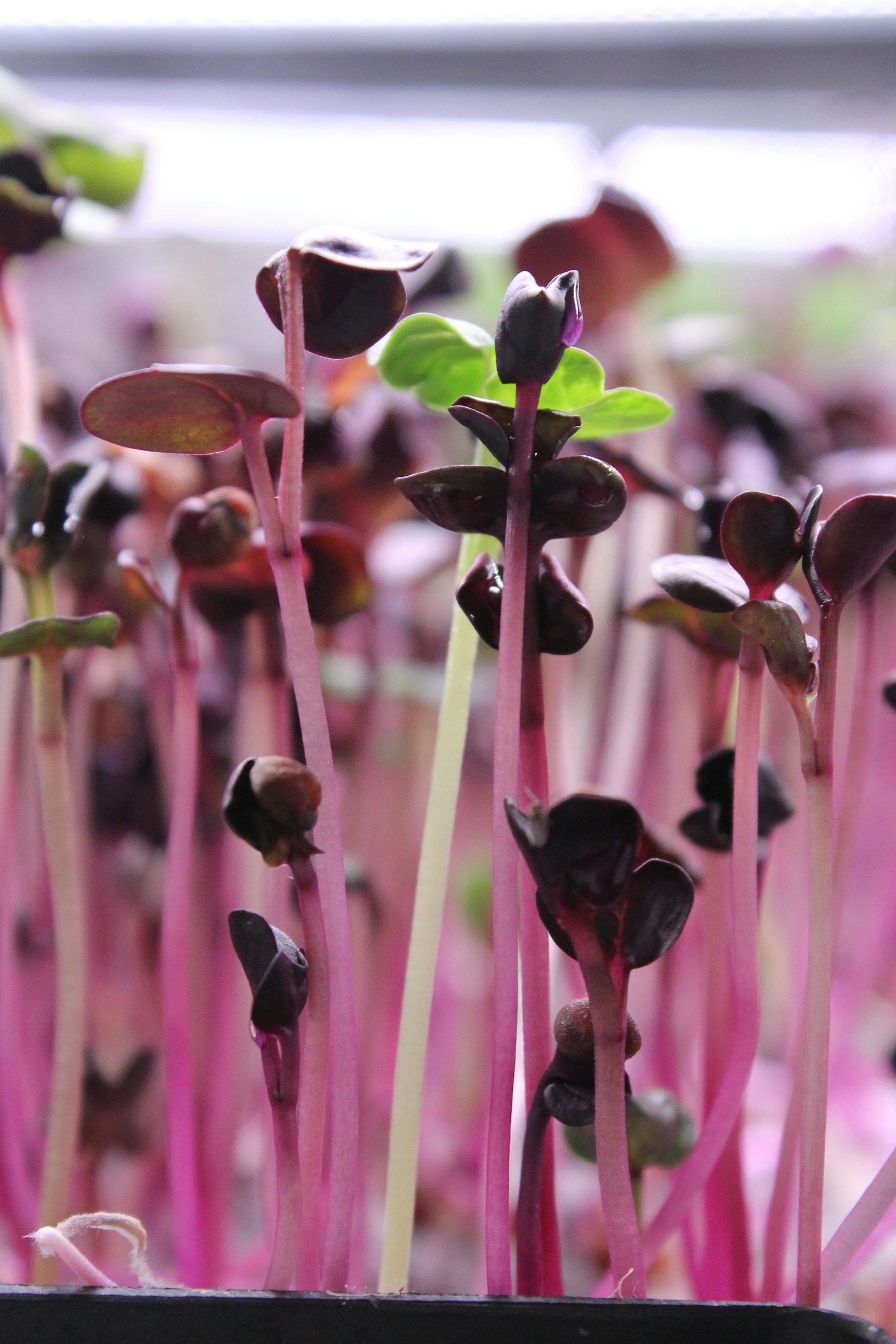
Imagine lifting the lid off your microgreens tray on day 7 to find a thick, emerald carpet of vibrant greens—uniform, crisp, and bursting with flavor. No leggy stems, no mold, no bare patches. Just a perfect harvest, every time. This isn’t luck; it’s science, strategy, and a few insider tricks that top growers are using in 2026 to stay ahead.
Microgreens are no longer just a garnish. They’re a booming $5.1 billion industry, driven by demand for nutrient-dense, locally grown food. Whether you’re a beginner or a seasoned grower, optimizing your setup can mean the difference between a mediocre tray and a harvest that sells out at the farmers’ market. Below, we break down five game-changing techniques to help you grow microgreens that are bigger, healthier, and more profitable.
The Light Spectrum Secret: Why Full-Spectrum LEDs Are Non-Negotiable
Light isn’t just about brightness—it’s about color. Traditional grow lights often focus on blue and red wavelengths, but microgreens thrive under full-spectrum LEDs , which mimic natural sunlight. Why? Because full-spectrum light promotes balanced growth, richer color, and even higher nutrient levels.
Actionable Tip: Upgrade to a full-spectrum LED grow light with a color temperature of 5000K–6500K. Position the light 6–12 inches above the tray and use a timer to provide 12–16 hours of light daily. If you’re growing multiple varieties, consider adjustable spectrum lights to tailor the wavelengths to each plant’s needs.
Precision Watering: The Goldilocks Zone for Microgreens
Overwatering is the #1 killer of microgreens. Too much water suffocates roots and invites mold; too little stunts growth. The key? Bottom watering with a moisture meter to hit the Goldilocks zone—just right.
Actionable Tip: Use trays with drainage holes and place them in a solid tray filled with ½ inch of water. Let the microgreens absorb water from the bottom for 10–15 minutes, then remove the excess. For accuracy, use a moisture meter to keep substrate moisture between 60–70%. In 2026, smart growers are also using IoT-enabled moisture sensors to automate this process and receive alerts when levels dip too low.
Substrate Showdown: Coconut Coir vs. Hemp Mats vs. Biochar-Enhanced Mixes
Not all growing mediums are created equal. In 2026, growers are moving beyond basic potting soil to substrates that retain moisture, drain well, and resist compaction. Here’s how the top options stack up:
- Coconut Coir: Lightweight, pH-neutral, and reusable. Ideal for beginners but requires careful watering to avoid over-saturation.
- Hemp Mats: Sterile, biodegradable, and perfect for hydroponic setups. Great for preventing soil-borne diseases but can dry out quickly.
- Biochar-Enhanced Mixes: The cutting-edge choice. Biochar improves nutrient retention, promotes beneficial microbes, and reduces the need for fertilizers. It’s a game-changer for organic growers.
Actionable Tip: Experiment with a biochar-enhanced mix (20% biochar, 80% coconut coir) for your next batch. Monitor growth and flavor—many growers report denser, more flavorful microgreens with this blend. If you’re using hemp mats, mist them lightly before seeding to improve moisture retention.
Seeding Density: The 30% Rule for Maximum Yield
Packing seeds too closely together is a common mistake. While it might seem like more seeds = more microgreens, overcrowding leads to competition for light and nutrients, resulting in leggy, weak stems and lower yields. The sweet spot? 30% less seed than you think you need.
Actionable Tip: Use a seed density calculator (many are available online) to determine the optimal seeding rate for your chosen variety. For example, radish microgreens thrive at 10–12 grams per 10x20-inch tray, while smaller seeds like broccoli do best at 8–10 grams. Spread seeds evenly and press them lightly into the substrate to ensure good contact.
Disease Prevention: The Power of Airflow and Beneficial Microbes
Mold and damping-off disease are the bane of microgreens growers. The solution? Airflow + beneficial microbes. Stagnant air creates a breeding ground for pathogens, while beneficial microbes outcompete harmful fungi and bacteria.
Actionable Tip: Place a small fan near your grow trays to create a gentle breeze (just enough to rustle the leaves). For an extra layer of protection, use a beneficial microbe spray (like Bacillus subtilis or Trichoderma) during the blackout period and after germination. These microbes colonize the substrate and roots, creating a protective barrier against disease.
Bonus: The 2026 Trend—AI and IoT for Microgreens
In 2026, top commercial growers are leveraging AI and IoT to optimize every aspect of microgreens cultivation. Smart sensors monitor light, humidity, temperature, and CO2 levels, adjusting conditions in real time for maximum growth. AI-powered apps analyze growth patterns and suggest tweaks to improve yield and flavor.
Actionable Tip: Start small with a smart plug to automate your grow lights or a Bluetooth hygrometer to track humidity. If you’re ready to scale, invest in an IoT-enabled grow system like GrowDirector or Agrilyst to take your microgreens to the next level.
Conclusion: Your Best Harvest Starts Now
Growing microgreens is equal parts art and science. By optimizing your light spectrum, watering precision, substrate choice, seeding density, and disease prevention, you’re not just growing microgreens—you’re cultivating a high-yield, high-quality product that stands out in a competitive market.
Ready to transform your trays? Pick one technique from this list and test it in your next grow cycle. Track your results, tweak as needed, and watch your microgreens thrive like never before. The future of microgreens is bright—and so is your potential.
Call to Action: Share your results with us! Tag @Leaftix on social media with your before-and-after photos and let’s grow together.
Ronaldo AndradeWrites practical notes about growing better microgreens.
[01] keep reading