Guides / Growing techniques
Microgreens Mastery in 2026: 5 Game-Changing Techniques for Bigger, Healthier Harvests
Imagine harvesting a tray of microgreens so lush and vibrant that it feels like you’ve unlocked a secret superpower. In 2026, microgreens cultivation
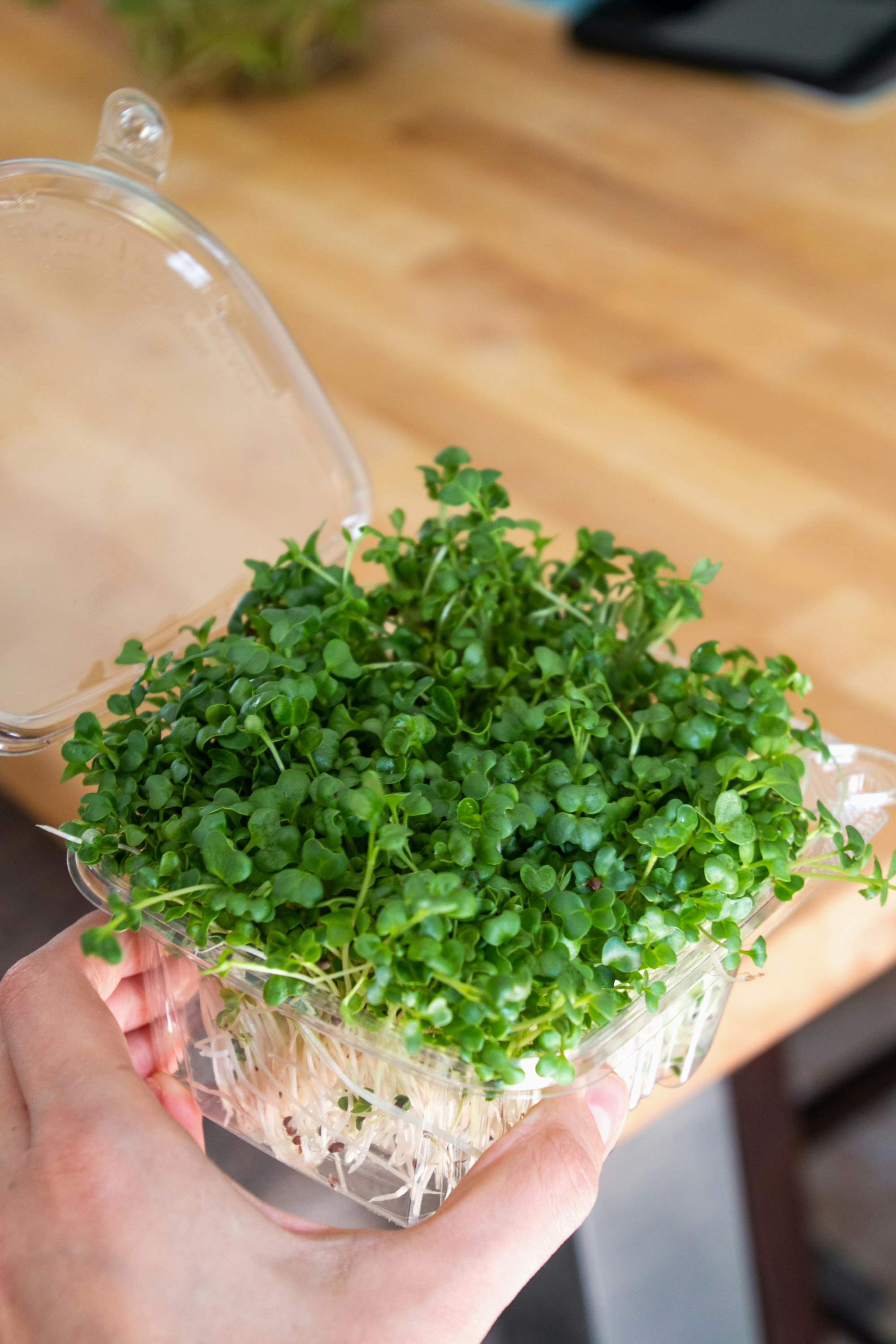
Imagine harvesting a tray of microgreens so lush and vibrant that it feels like you’ve unlocked a secret superpower. In 2026, microgreens cultivation isn’t just about growing tiny greens—it’s about maximizing yield, flavor, and nutrition while minimizing waste and effort. Whether you’re a beginner or a seasoned grower, the latest advancements in precision lighting, IoT monitoring, and microbiome engineering are transforming how we grow these nutrient-packed powerhouses. Ready to elevate your microgreens game? Let’s dive into five game-changing techniques that will help you achieve bigger, healthier harvests every time.
The Microgreens Revolution: Why 2026 Is the Year to Level Up
Microgreens have taken the culinary and health worlds by storm, and for good reason. These tiny greens pack a punch, offering up to 40 times more nutrients than their mature counterparts. But as demand grows, so do the challenges: how do you ensure consistent yields, prevent disease, and optimize growth conditions without breaking the bank? The answer lies in embracing the latest innovations tailored for microgreens cultivation in 2026.
From urban apartments to commercial farms, growers are adopting new technologies and techniques to stay ahead. Here’s how you can too.
1. Precision LED Lighting: The Secret to Faster, Healthier Growth
Light is the lifeblood of microgreens, and in 2026, not all light is created equal. Precision LED lighting has emerged as a game-changer, allowing growers to tailor the light spectrum to the specific needs of their crops. Unlike traditional grow lights, precision LEDs can be adjusted to emit the exact wavelengths that microgreens need at each stage of growth—from germination to harvest.
Why it matters: Studies show that microgreens grown under precision LED lighting can mature up to 20% faster and yield 15% more biomass than those grown under conventional lighting. For example, blue light (400-500 nm) promotes compact, sturdy growth, while red light (600-700 nm) enhances photosynthesis and biomass production. By fine-tuning the light spectrum, you can optimize both yield and flavor.
Actionable Tip: Invest in a full-spectrum LED grow light with adjustable settings. Start with a higher blue light ratio during the germination phase to encourage strong root development, then shift to a balanced spectrum as the microgreens mature. If you’re on a budget, even a simple timer to ensure 12-16 hours of light per day can make a significant difference.
2. IoT Monitoring: Grow Smarter, Not Harder
Gone are the days of guessing whether your microgreens are getting enough water or the right humidity. IoT (Internet of Things) monitoring systems are revolutionizing microgreens cultivation by providing real-time data on environmental conditions. These systems use sensors to track temperature, humidity, light intensity, and even CO2 levels, sending alerts to your phone or computer if conditions stray from the optimal range.
Why it matters: Microgreens are sensitive to their environment. Even small fluctuations in temperature or humidity can lead to uneven growth, mold, or disease. IoT monitoring takes the guesswork out of the equation, allowing you to make data-driven decisions. For example, if the humidity in your grow room spikes, your IoT system can alert you to adjust ventilation before mold becomes an issue.
Actionable Tip: Start small with a smart plug and a hygrometer to monitor humidity and temperature. For a more advanced setup, consider a complete IoT grow system like those offered by companies specializing in urban farming. These systems often include automated controls for lighting, irrigation, and climate, making it easier than ever to maintain ideal growing conditions.
3. Microbiome Engineering: Cultivate a Thriving Root Ecosystem
Healthy soil is the foundation of any successful grow, and microgreens are no exception. In 2026, microbiome engineering is taking center stage as growers recognize the critical role that beneficial microbes play in nutrient uptake, disease prevention, and overall plant health. By introducing specific strains of bacteria and fungi to your growing medium, you can create a thriving ecosystem that supports robust microgreen growth.
Why it matters: Microbes help break down organic matter, making nutrients more accessible to plants. They also compete with harmful pathogens, reducing the risk of disease. Research has shown that microgreens grown in a microbiome-enhanced medium can have higher nutrient density and better flavor profiles than those grown in sterile environments.
Actionable Tip: Use a high-quality compost tea or a commercial microbial inoculant designed for microgreens. Apply it to your growing medium before seeding to introduce beneficial microbes. For hydroponic growers, consider adding a biofilter to your system to maintain a healthy microbial balance in the water.
4. Optimized Seeding Density: Maximize Yield Without Overcrowding
Seeding density is a critical factor in microgreens cultivation, but it’s often overlooked. Plant too sparsely, and you’re wasting valuable space. Plant too densely, and your microgreens will compete for light and nutrients, leading to weak, leggy growth. In 2026, growers are using data-driven approaches to determine the optimal seeding density for each variety of microgreen.
Why it matters: The right seeding density can increase your yield by up to 30% while improving the quality of your harvest. For example, radish microgreens thrive at a density of about 10-12 seeds per square inch , while sunflower microgreens do best at 6-8 seeds per square inch. Overcrowding can also lead to higher humidity levels in the tray, increasing the risk of mold and disease.
Actionable Tip: Experiment with different seeding densities for each variety of microgreen you grow. Start with the recommended density for your chosen variety, then adjust based on your results. Keep a grow journal to track your experiments and identify the optimal density for your setup. If you’re using a hydroponic system, consider using a seeding template to ensure even distribution.
5. Water Quality and Management: The Unsung Hero of Microgreens Success
Water is often an afterthought in microgreens cultivation, but in 2026, growers are paying closer attention to water quality and management. The pH and mineral content of your water can have a profound impact on the growth, flavor, and nutrient density of your microgreens. Additionally, overwatering or underwatering can lead to stunted growth, disease, or even crop failure.
Why it matters: Microgreens are highly sensitive to water quality. Water that is too alkaline or acidic can lock out essential nutrients, while water with high mineral content can lead to salt buildup in your growing medium. Overwatering can suffocate roots and promote mold growth, while underwatering can cause wilting and poor nutrient uptake.
Actionable Tip: Test your water’s pH and mineral content using a water testing kit. Ideally, your water should have a pH between 6.0 and 6.5 for most microgreens. If your water is too alkaline or acidic, use a pH adjuster to bring it into the optimal range. For irrigation, consider using a bottom-watering system to prevent overwatering and reduce the risk of mold. This method allows the roots to absorb water as needed, promoting healthier growth.
Putting It All Together: Your Path to Microgreens Mastery
Microgreens cultivation in 2026 is all about precision, efficiency, and sustainability. By embracing these five game-changing techniques—precision LED lighting, IoT monitoring, microbiome engineering, optimized seeding density, and water quality management—you can take your microgreens game to the next level. Whether you’re growing for personal use or scaling up for commercial production, these strategies will help you achieve bigger, healthier, and more flavorful harvests.
But don’t just take our word for it. Experiment with these techniques and see what works best for your setup. Keep a grow journal to track your progress, and don’t be afraid to tweak your approach based on your results. The beauty of microgreens is that they grow quickly, so you’ll see the impact of your changes in just a few days.
Your Turn: Start Growing Like a Pro Today
Ready to transform your microgreens cultivation? Start with one or two of these techniques and build from there. Whether you’re upgrading your lighting setup, investing in IoT monitoring, or experimenting with microbiome engineering, every small change can lead to bigger, better harvests.
What’s the first technique you’ll try? Share your thoughts and experiences in the comments below—we’d love to hear from you! And if you found this guide helpful, don’t forget to share it with fellow growers who are ready to take their microgreens to the next level.
Happy growing!
Ronaldo AndradeWrites practical notes about growing better microgreens.
[01] keep reading